
01In the bot
Advice every morning
At 06:00 Tashkent time — when to irrigate, how many cubic metres to apply and how many hours a pump with a known flow rate will need.
In Uzbek, on Telegram SUV AI
Day and m³ to irrigate — with a pump, in hours.
Every morning on Telegram — for fields in Uzbekistan.
Trace your plot or upload your fields as a file.
Choose the crop and irrigation method.
Sentinel-2, Landsat and the weather forecast.
A water balance for your field.
When to irrigate and how much water to apply — with a pump, in hours of running time. With the reasoning and a log of what you did.
34 crops · In Uzbek · 06:00 Tashkent time
01 — HOW IT WORKS
We bring the data together
so it's easier for you to act.
Trace the boundary in the Mini App or upload your fields as a file. Choose the crop and irrigation method. The team enters your pump's flow rate when you connect.
02 — FEATURES
See what's already available,
what we're testing and where the team can help.
Showing 7 of 14 features
At 06:00 Tashkent time — when to irrigate, how many cubic metres to apply and how many hours a pump with a known flow rate will need.
In Uzbek, on TelegramCotton, wheat, orchards, grapes, vegetables, melons, alfalfa and non-flooded rice. The bot accounts for second-crop corn and summer potatoes automatically.
34 crop profiles in the engineDrip with its wetted fraction, furrow with a pump or by gravity, sprinkler. Flooded rice is not supported.
Drip · Furrow · SprinklerSentinel-2, with Landsat 8/9 imagery as backup. NDVI helps assess greenness, NDMI the water content of the vegetation.
Within your boundary, with the image dateTrace the field with your finger in the Mini App or import KML, KMZ, GeoJSON or a shapefile — up to 10 fields per chat.
One plot or a whole farmDala holati brings together irrigation and its uniformity, the weather, the satellite image, spray windows and the reasoning behind the advice.
Dala holati · field screenMark “Suv berdim”, rate the advice, and see pump hours and costs once the pump's flow rate is entered. The savings calculation relies on the log entries.
Actual irrigation → next calculationVerified models for apple, grape, potato and tomato: scab, fire blight, downy mildew, powdery mildew, late blight. Background warnings for 9 more crops. Closed demo only for now.
A weather risk, not a diagnosisThe “Beda o'rildi” button records a cut and recalculates the alfalfa's water needs. In closed demo for now.
A calculation that accounts for cutsMap, log, imagery layers, offline mode and UZ/RU/EN. The demo farm is open to everyone; signing in with your own fields is limited for now.
Web app + Android APKOpen the app demo ↗Chat and leaf-photo analysis with the context of your field's calculation. The feature is in closed demo and not yet open to all farmers.
In limited testingFrom the coordinates, the team goes through the Sentinel-2 archive and looks for periods of water stress. It takes about three days to prepare.
Retrospective review on requestA tool for a trial: one half of the field is irrigated by the advice, the other as usual. Paired images help compare; the trial itself hasn't started yet.
Trial set-up with the teamElevation and slope from Copernicus DEM GLO-30 help make a first estimate of whether gravity flow is possible. The team prepares the review by hand.
Preliminary terrain assessmentFeatures as of 23 September 2026. Access to new tools is expanding gradually.
03 — TRY IT YOURSELF
Pick a scenario and see
how SUV AI helps through the day.
WHAT DO YOU WANT TO KNOW?
This example is in English.
In the bot, advice comes in Uzbek.
SAMPLE IRRIGATION ADVICE
In this example the irrigation volume is 160 m³. See how the pump's flow rate changes its running time.
Time = volume ÷ pump flow rate. The water amount here is illustrative; get the calculation for your own field in the bot.
SCHEMATIC FIELD MAP
NDMI helps estimate the water content of the vegetation. It is a satellite index, not a direct measurement of soil moisture.
Colours are illustrative. The bot uses available Sentinel-2 and Landsat images with their observation date.
YOUR ACTIVITY LOG
Logging the actual irrigation helps the next calculation. The log lets you compare the advice with what you actually applied.
This entry stays in this example only. In the bot, the history is kept for your field; the savings calculation depends on how complete the log is.
WHY THIS ADVICE
The assistant uses the data of this specific field and explains its recommendation.
Field inspection and measurements help check and refine the calculation. Groundwater contribution and salt in the irrigation water are not yet taken into account.
Map, log and imagery layers. The demo farm is open to everyone; connecting your own fields is limited for now.
04 — WORKING ON REAL FIELDS
The first contract is signed — for 100 ha with a large farm. Advice for the pilot has been logged since 9 August 2026. The team: product, engineering and a partner farmer.
Clouds and satellite pass times limit observations. Landsat complements Sentinel-2; daily images are not guaranteed.
Crop coefficients are FAO-56 table values with an NDVI adjustment. Field inspection, pump data and on-field measurements are needed for local calibration. A satellite index does not replace a soil moisture sensor.
There are no measured water savings yet. That requires irrigation records and meter readings; we don't promise savings percentages in advance.
05 — TEAM
Product, engineering and a partner farmer.
Real names — we stand behind the calculation.

Author of the idea · product owner
Took SUV AI from the FAO-56 equation to a bot that writes to a real farmer every morning.
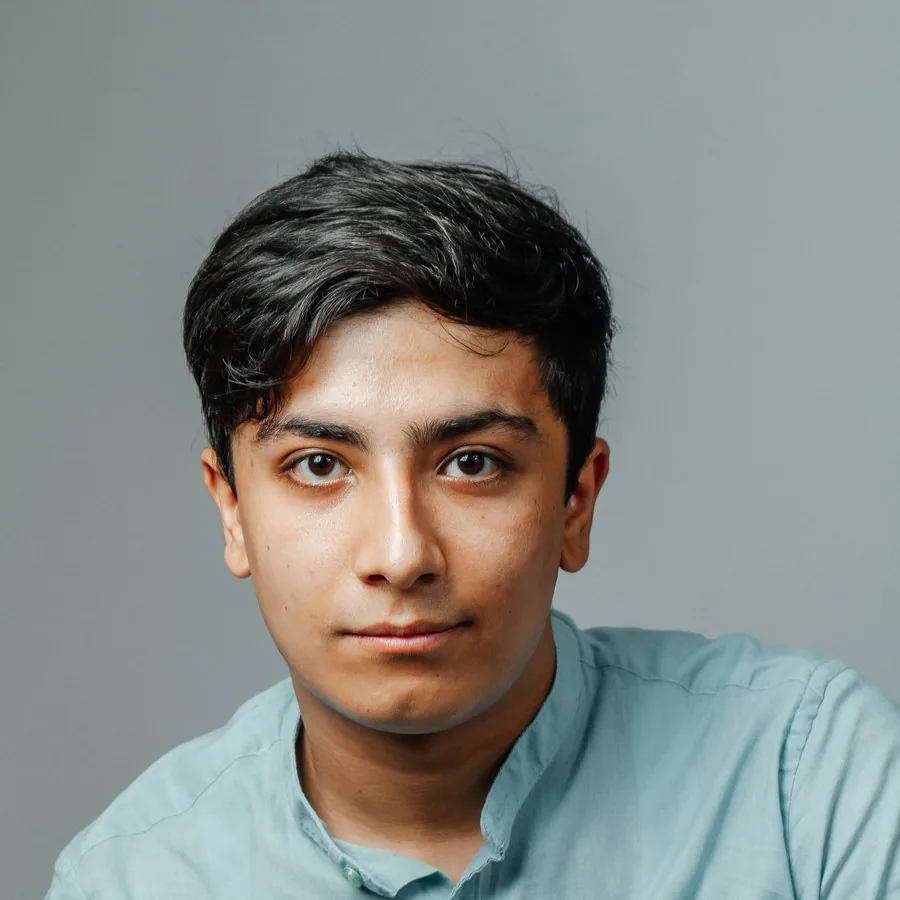
Lead developer
Engine, satellite layer and infrastructure. The physics of the calculation is checked against the FAO-56 guidelines.
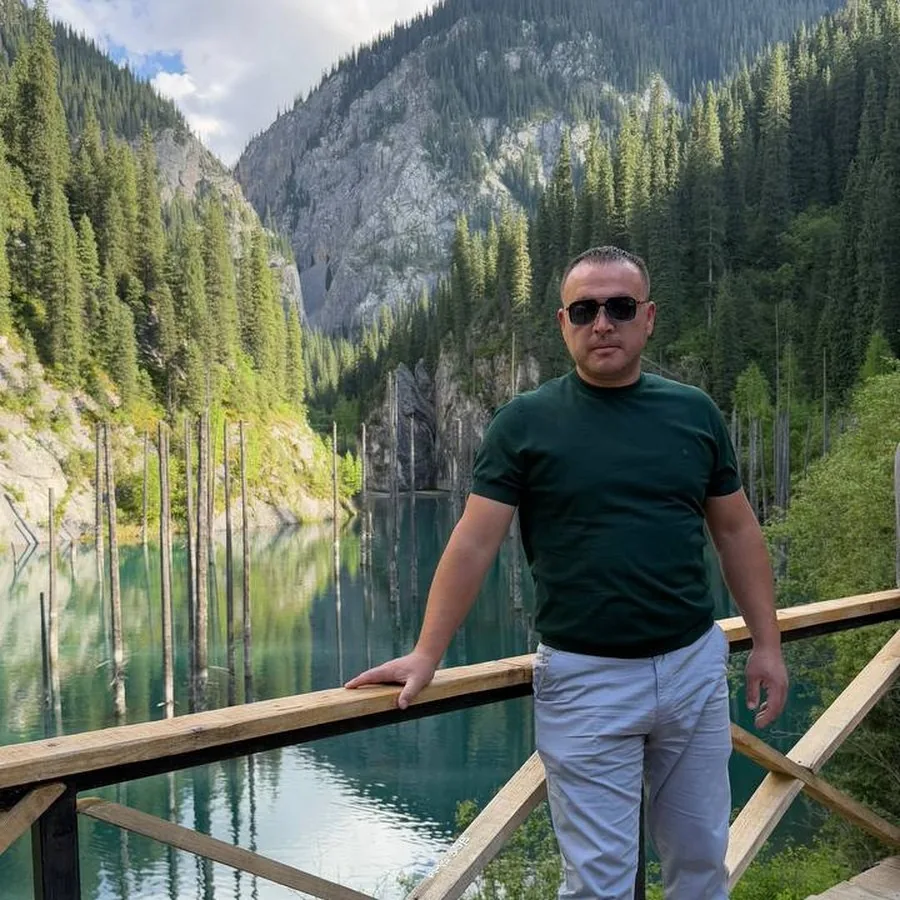
Pilot partner farmer
Two fields where the product is tested every day. His pump taught the bot to speak in hours, not cubic metres.
06 — SUV AI BLOG
Explainers on irrigation, satellite observations
and farm economics.
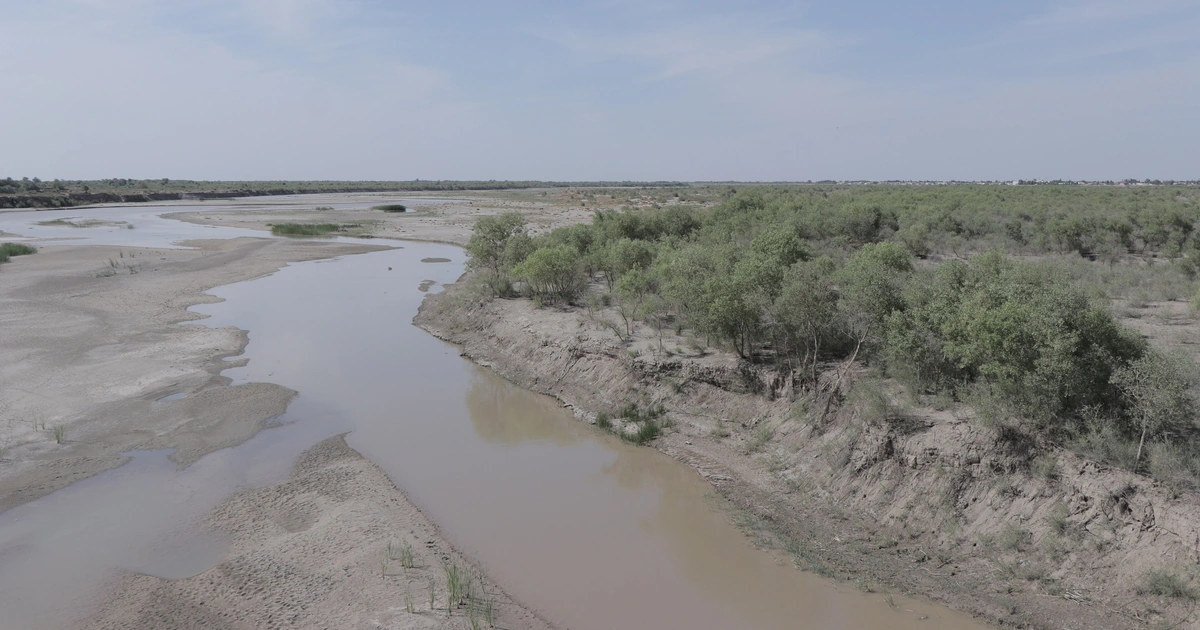 Irrigation and soil
How to choose priority fields and take growth stages into account when available water falls short.
Read the article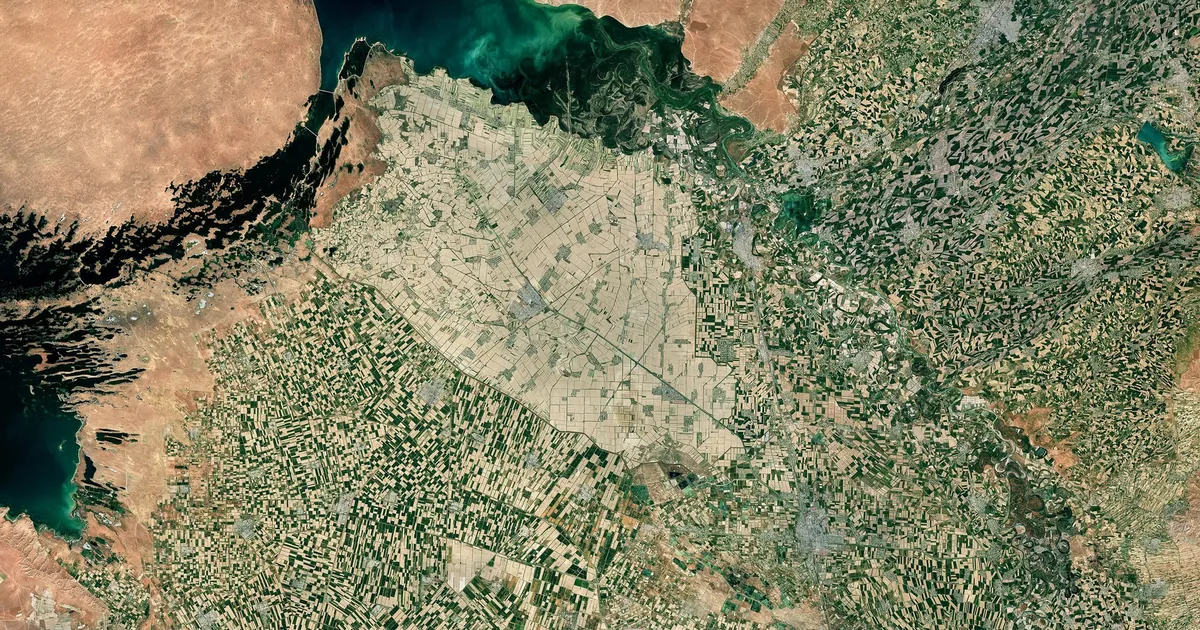 Satellite data
A Sentinel-2 timeline, a comparison with past seasons and a check of why the index changed.
Read the article Economics
We convert the calculated water volume into hours and costs, and go through the assumptions and limits of the estimate.
Read the articleA FEW MORE QUESTIONS
Open the bot and answer six short questions: crop, sowing date, area, irrigation method, soil, location. You trace the field boundary later on the Dala holati screen. After irrigating, tap “Suv berdim” — the bot counts from that mark. If the field is on a pump, we enter its flow rate and the advice comes in hours. You don't need to buy sensors to get started; measurements help refine the recommendations.
The engine has 34 crops: cotton, wheat, orchards, grapes, vegetables, melons, alfalfa and more. Drip, furrow with a pump or by gravity, and sprinkler are available. Rice only on drip or sprinkler; no recommendations are given for flooded rice.
Yes. Besides tracing the boundary in the Mini App, you can import KML, KMZ, GeoJSON and shapefiles — up to 10 fields per chat. For a farm with more fields, the team sets them up.
Besides Sentinel-2, Landsat 8/9 images are used. If there are no suitable recent images, the calculation relies on the data available. The observation date matters: the satellite doesn't see the field continuously.
A sensitivity test of the calculation, run on live weather for the two pilot fields on 23 August 2026, gives a rough guide of ±1–2 days for “today/tomorrow” advice and ±3–4 days for a week ahead. Without calibration, the volume can be off by up to ±30%. There is no ground truth yet (a moisture sensor or a water meter), so these are the bounds of an internal estimate, not measured accuracy.
The demo farm in the web app is open to everyone. There's an APK for Android; on iPhone you use the web app. Signing in with your own fields, AI Agronom, weather-based disease risk and alfalfa cut tracking are still in limited demo. The app is not yet published on Google Play or the App Store.
Groundwater contribution and salt in the irrigation water are not yet taken into account. For fields irrigated with drainage water, the amount may be underestimated — tell us before connecting. The assistant does not replace field inspection or an agronomist's work.
SHALL WE START WITH YOUR FIELD?
Add the boundary, crop and irrigation method. Then get advice for your field.